
Voice Search SEO

WebCuil for Voice Search SEO?

WebCuil for Voice Search SEO focuses on optimizing digital content and websites to perform effectively in voice-based search environments. As more users rely on voice assistants and smart devices to find information, businesses must adapt their SEO strategies to match conversational search behavior. WebCuil helps brands optimize their content for natural language queries, long-tail keywords, and question-based searches that are commonly used in voice commands.

The strategy includes creating clear, structured content that directly answers user questions, making it easier for voice assistants to retrieve and deliver accurate responses. WebCuil also emphasizes local SEO optimization, since many voice searches are location-based, such as “near me” queries. Technical improvements like faster page speed, mobile optimization, and structured data implementation further enhance voice search visibility. By implementing voice search SEO strategies.
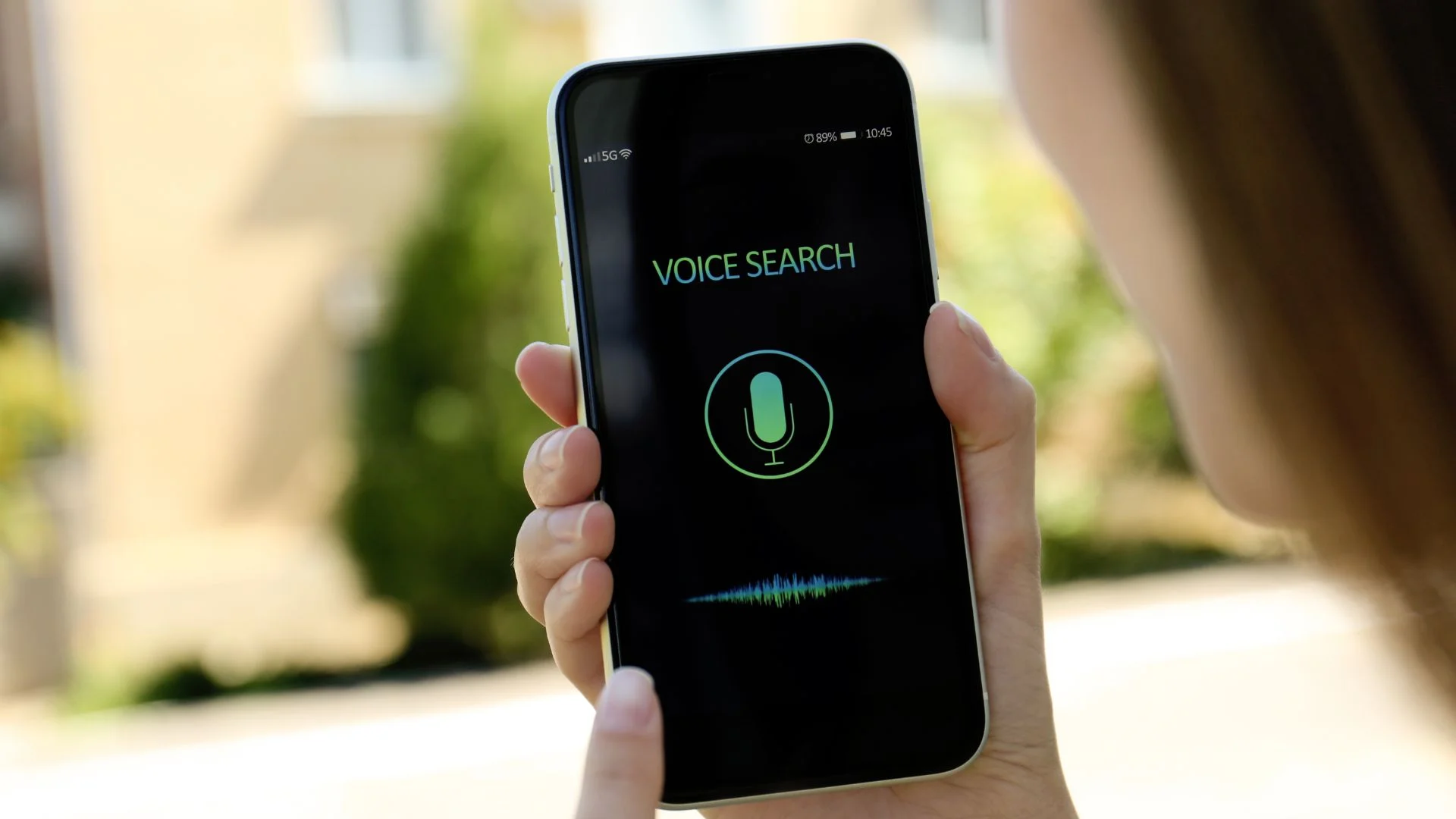

Website for Voice Search

Website for Voice Search focuses on optimizing content for conversational queries, fast loading, mobile responsiveness, and structured data to help voice assistants deliver accurate answers and improve search visibility.

Conversational Keyword Research is the process of identifying natural, question-based search phrases that people commonly use in voice searches and conversational queries. Unlike traditional keyword research that focuses on short phrases, conversational keyword research targets longer, more natural sentences that reflect how users speak. This includes phrases like “how to,” “best way to,” or “near me” queries. By analyzing user intent and voice search patterns, businesses can create content that directly answers these questions. Implementing conversational keywords improves visibility in voice assistants, featured snippets, and AI-driven search results, helping websites attract more targeted traffic and enhance user engagement.

Featured Snippet Optimization is the process of structuring website content so it can appear in the highlighted answer box at the top of search engine results. This strategy focuses on providing clear, concise, and direct answers to common user queries. Content is organized using headings, short paragraphs, bullet points, lists, and tables to make it easy for search engines to extract information. Optimizing for featured snippets also involves targeting question-based keywords and understanding user intent. By achieving a featured snippet position, businesses can significantly increase visibility, build authority, attract more organic traffic, and improve overall search performance.

Mobile & Local Optimization focuses on improving a website’s performance and visibility for mobile users while targeting location-based searches. Since many users search for nearby services using smartphones, this strategy ensures websites are mobile-friendly, fast-loading, and easy to navigate on smaller screens. It also includes optimizing local keywords, Google Business Profile listings, location-based content, and maps integration. Mobile and local optimization help businesses appear in “near me” searches and local search results, making it easier for nearby customers to find them. By combining mobile usability with strong local SEO, businesses can increase visibility, attract targeted traffic, and drive more local conversions.

Content Optimization for Voice focuses on creating and structuring content that works effectively with voice search queries. Since voice searches are usually conversational and question-based, content should use natural language and provide clear, direct answers to common user questions. This includes optimizing for long-tail keywords, using FAQ sections, and organizing information with simple headings and short paragraphs. Content should also be easy for voice assistants to understand and retrieve quickly. By aligning content with how people speak rather than how they type, businesses can improve visibility in voice search results, increase engagement, and reach users who rely on smart assistants and voice-enabled devices.

Why Choose WebCuil for Voice Search SEO?

WebCuil uses advanced strategies, conversational keyword research, and technical optimization to help businesses rank in voice searches, improve visibility on smart devices, and attract highly targeted traffic.

WebCuil delivers conversational keyword strategies, fast mobile optimization, and structured content to improve visibility in voice search results.

Data-Driven Strategies use analytics and performance insights to guide decisions, optimize campaigns, and deliver measurable results for sustainable business growth.

Customized Solutions deliver tailored strategies designed around your business goals, audience needs, and industry requirements to maximize performance and growth.

Future-Ready Optimization uses advanced techniques and adaptive strategies to keep websites competitive, ensuring strong performance as search technologies.

Voice Search SEO Enhancements

Voice Search SEO Enhancements focus on optimizing content for conversational queries, long-tail keywords, and structured data. These improvements help voice assistants understand and deliver accurate answers, increasing visibility, improving user experience, and driving more targeted traffic from voice-enabled devices.

Everything You Need to Know

Everything You Need to Know provides a comprehensive overview of strategies, tools, and best practices, helping businesses understand key processes, benefits, and actionable insights to improve digital performance

Voice Search SEO is the process of optimizing website content to rank in voice-based searches from assistants like Google Assistant, Siri, and Amazon Alexa, focusing on natural language, question-based queries, and fast, mobile-friendly websites.

Voice Search SEO is important because more users search using voice on smartphones and smart devices. It helps businesses appear in quick answers, improve visibility, and attract local customers searching naturally.

Voice Search SEO focuses on natural, conversational queries and question-based phrases, while traditional SEO targets typed keywords. It prioritizes quick answers, local intent, and mobile optimization for voice assistants and smart devices.

Yes, Voice Search SEO improves local search results by optimizing for location-based queries like “near me.” It helps businesses appear in voice assistant results and local listings, attracting nearby customers quickly.

Voice Search SEO results typically appear within 3–6 months, depending on competition, website quality, content optimization, and local SEO strength. Consistent updates, structured data, and mobile optimization can help achieve faster improvements.

Our Tools & Platforms

SEO By Business Size

SEO By Nature of Business

Testimonials

What Our Client’s Say

Get Started Today!

Transform your digital presence with WebCuil web design and development services. Discover how we can help you create a powerful online platform that drives business success. Contact us today to discuss your project!

Back to top

Header Button Contact Form